Heaving to
Heaving to
Heaving to
What’s the purpose of “heaving to” and how do you do it?
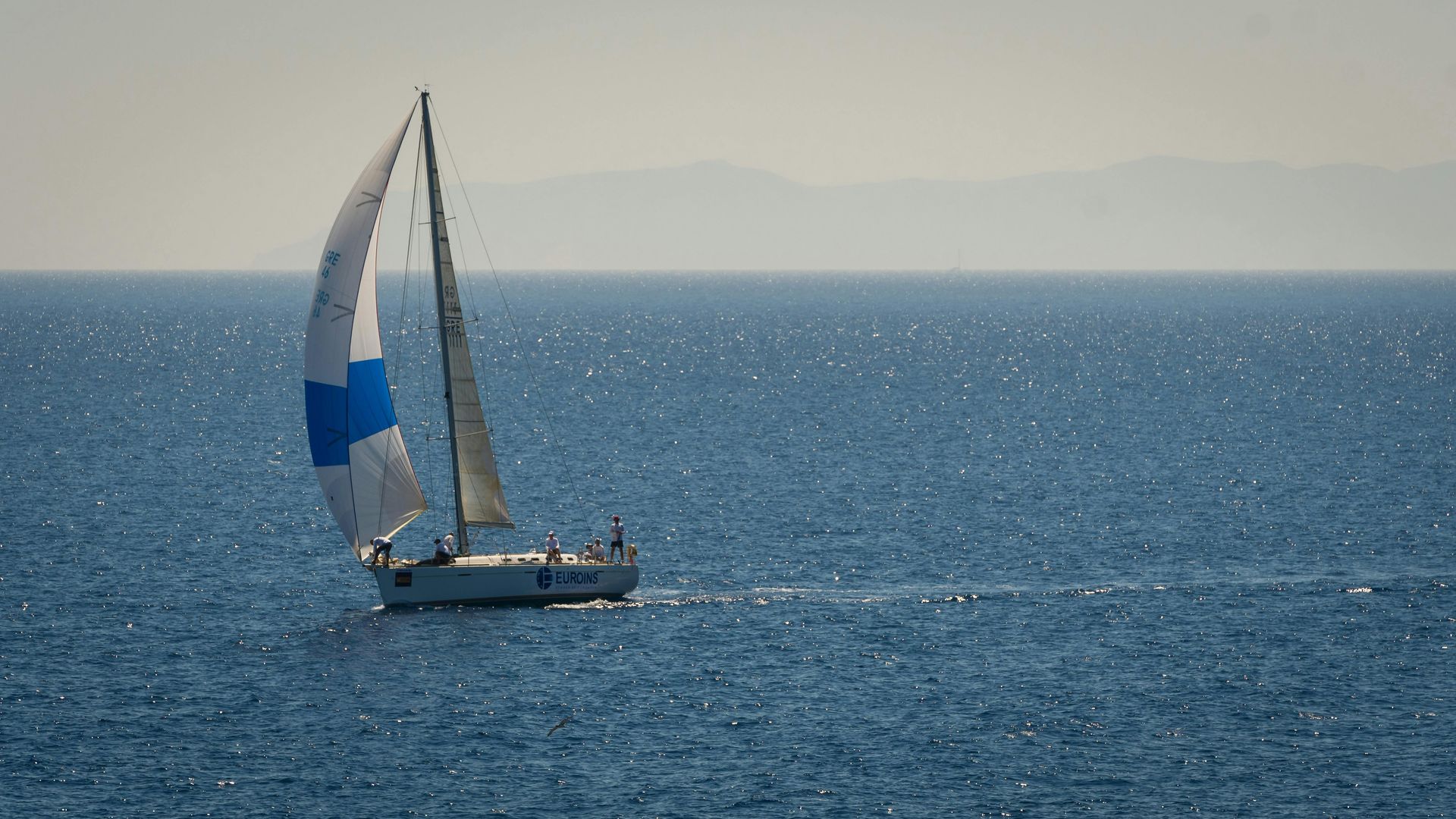
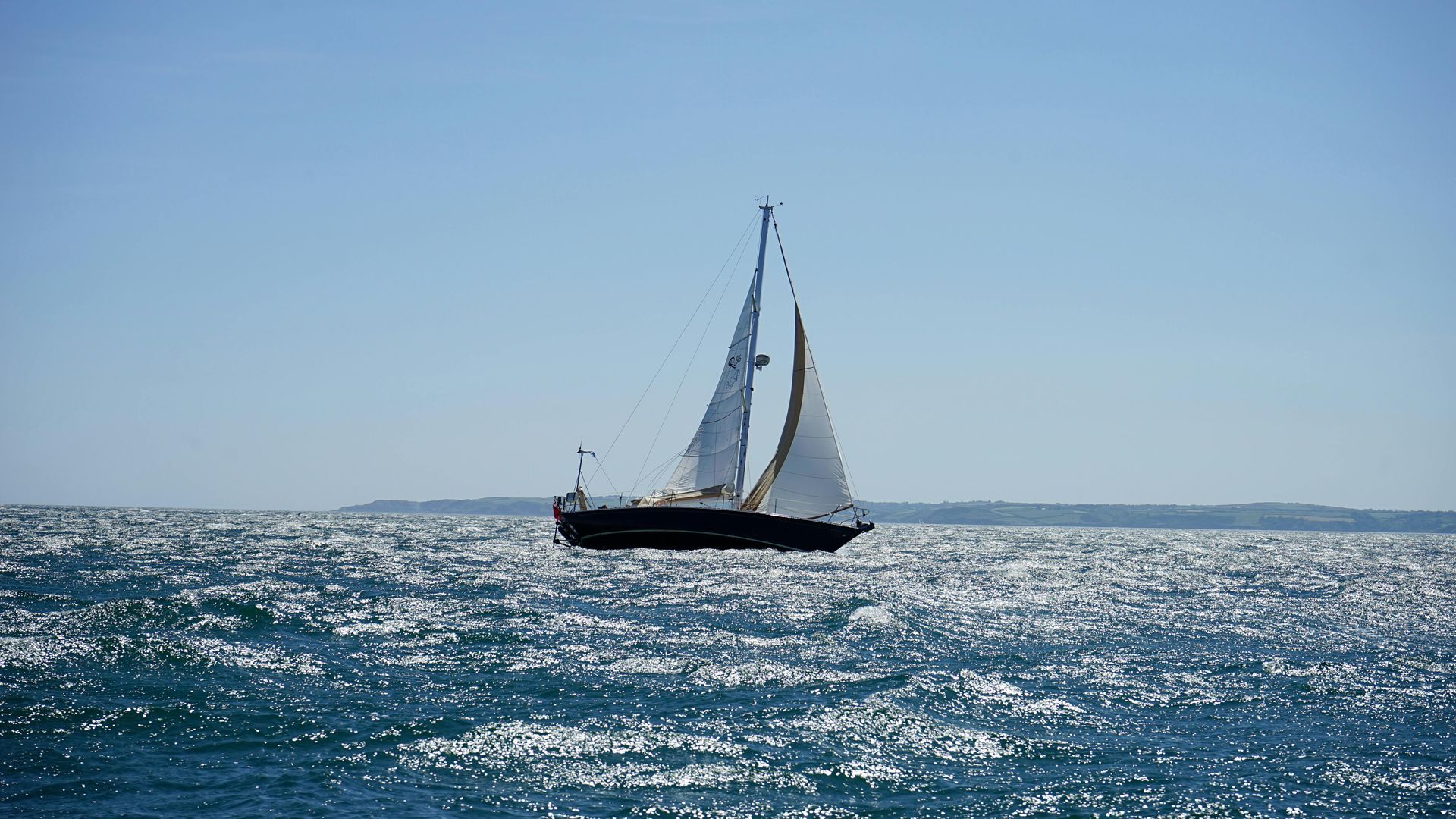
Sounds like a line from an old sea chanty, but it is a useful skill to have under your belt. The purpose of the maneuver is to stay as stationary as possible while under sail. It is usually used in very heavy weather when it is too dangerous or impractical to make headway. I know solo sailors who use it for a quick nap while offshore. Some use it to handle an emergency that precludes quickly lowering your sails. I have used it to untangle a snagged crab trap in Delaware Bay. In any case, it is a good idea to practice heaving to in a moderate breeze to see how your boat responds.
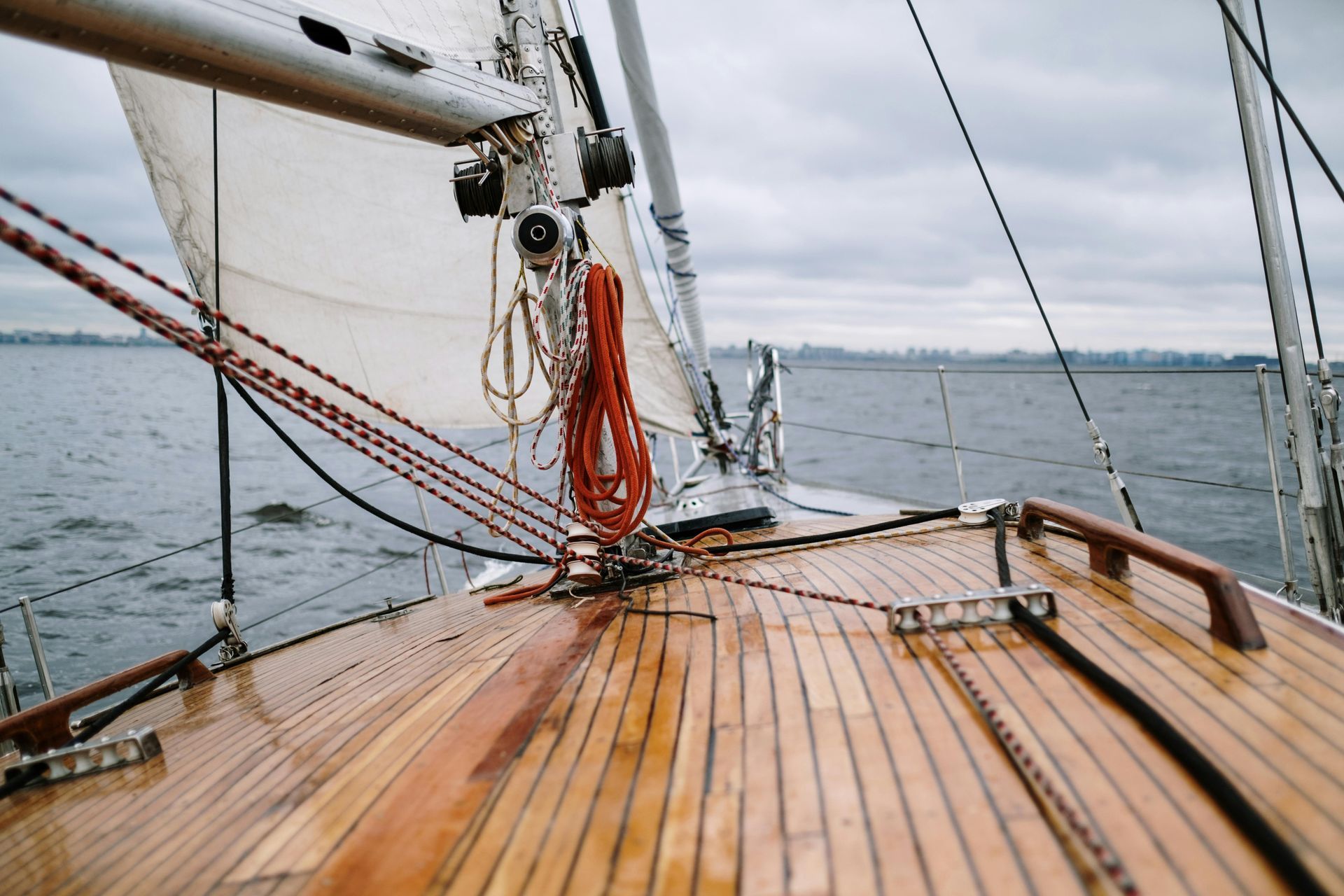
Start with a first reef in the main and the genoa reefed to 120% or less. To begin the maneuver, tack without releasing the leeward genoa sheet. On the new tack, let your main traveller stay to leeward and keep the rudder hard over to drive the bow to windward. You may have to adjust the main sheet to keep the bow from falling off the wind. If done properly, the backed genoa drives the bow to leeward and offsets the force of the mainsail and rudder driving the bow to windward. Your boat should stay balanced with little forward headway and minimal drift to leeward.
Heaving to requires practice, and every boat responds differently depending on wind and sea conditions and sail trim. It may sound scary, but it could be a lifer saver some day. Let me know if you need a hand.
Captain Dan