Spinnakers

December 2, 2025

Spinnakers


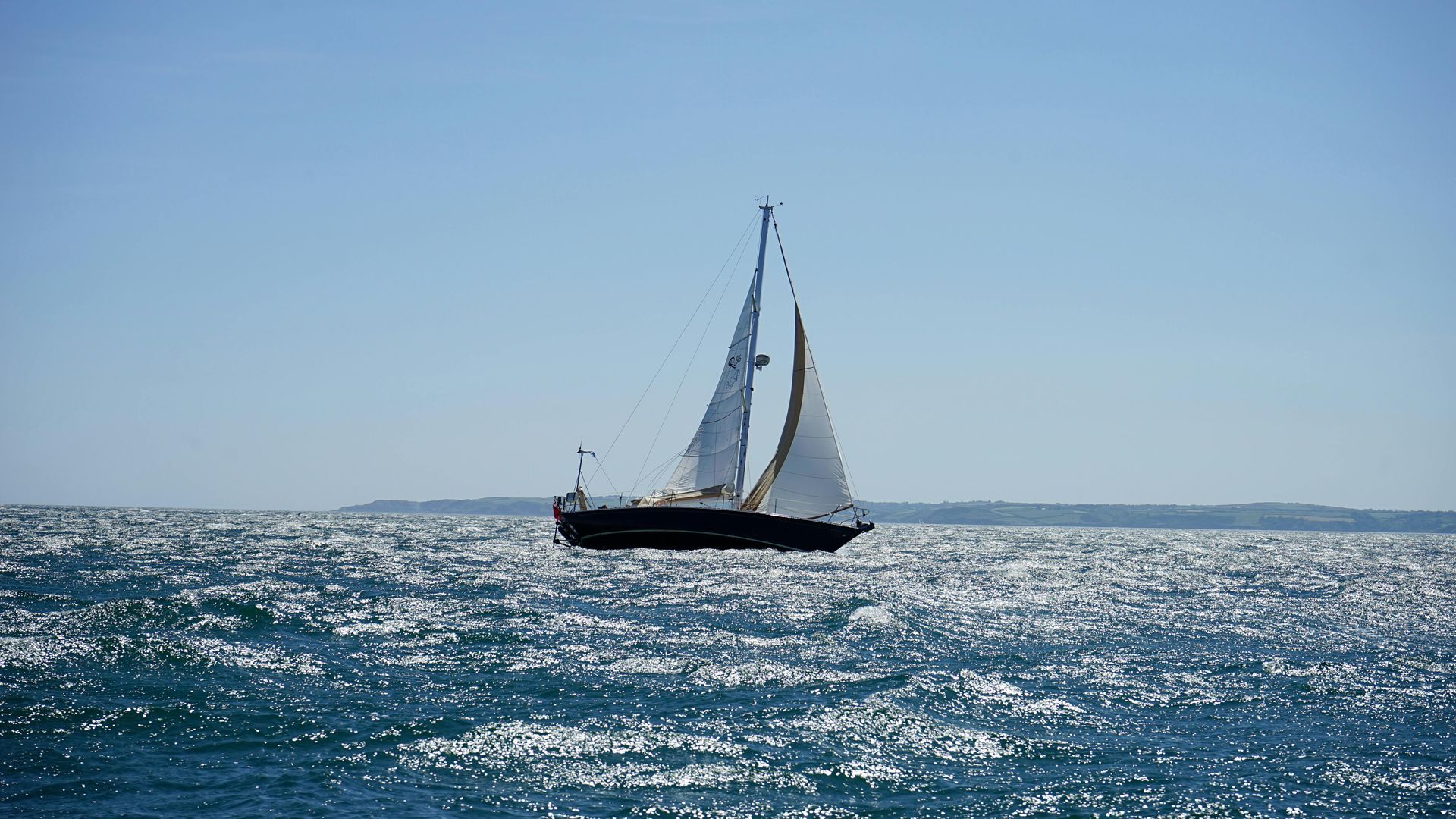
To spin or not to spin. With the development of asymmetrical spinnakers (asym), the decision whether to add a spinnaker to your sail inventory got a lot easier. If you are sailing a long downwind leg (anywhere from a beam reach to a run) a spinnaker can add several knots to your boat speed, and a lot of fun and excitement to your trip. Nothing quite captures the beauty of sail like a colorful spinnaker on a sunny, breezy day.


The simplicity of the asym design makes it easy to set up and fly. All you need, if your boat is not already equipped, is a block on both sides of the transom, spinnaker sheets, and a tack line at the bow. To make launching and dowsing the asym even simpler, I advise adding a sock when ordering from your sailmaker. Learning to use the sock is easy and means less time on the foredeck for launching and take down.


Jibing the asym takes some practice, but as an alternative, you can dowse, jibe and reset on the new tack. I’m available to help you through the purchase, set up and flying of your new favorite sail. 


If you have a traditional spinnaker, but are anxious about jibing the pole, no problem, I can walk you through that too. Let me help you have more fun sailing down wind.


Captain Dan

December 30, 2025
Heaving to
November 4, 2025
Some cruising sailors don’t take advantage of all the tools available to them to sail their boats most effectively. Two of these tools are the traveller and the boom vang. To get your boat to point well (sail closest to the wind) generally you want your boom on the center line of your boat. This usually requires bringing the traveller to windward. If you feel overpowered as the wind increases, drop the traveller down until you feel under control. The difference of 5 to 10 degrees of pointing ability on a long course can shave hours off your ETA. This is true for your mizzen as well if you are sailing a yawl or ketch. Likewise, the boom vang is often an underutilized tool going downwind. Without some boom vang tension, especially in a stronger breeze, the end of your boom tends to pivot upwards, reducing sail efficiency and increases a side by side (yawing) effect. Without boom vang tension, it is also more difficult to perform a smooth and controlled jibe. In light air with leftover swells, some boom vang tension helps eliminate that annoying sound of your mainsheet snapping on the roll. Just remember to ease your boom vang before trying to lower your main halyard. Get to know the purpose of all of your running rigging, and if you need help, give me a shout.
October 23, 2025
Anchoring
October 8, 2025
Docking
September 30, 2025
Jibing