Man Overboard
Man Overboard
Man Overboard
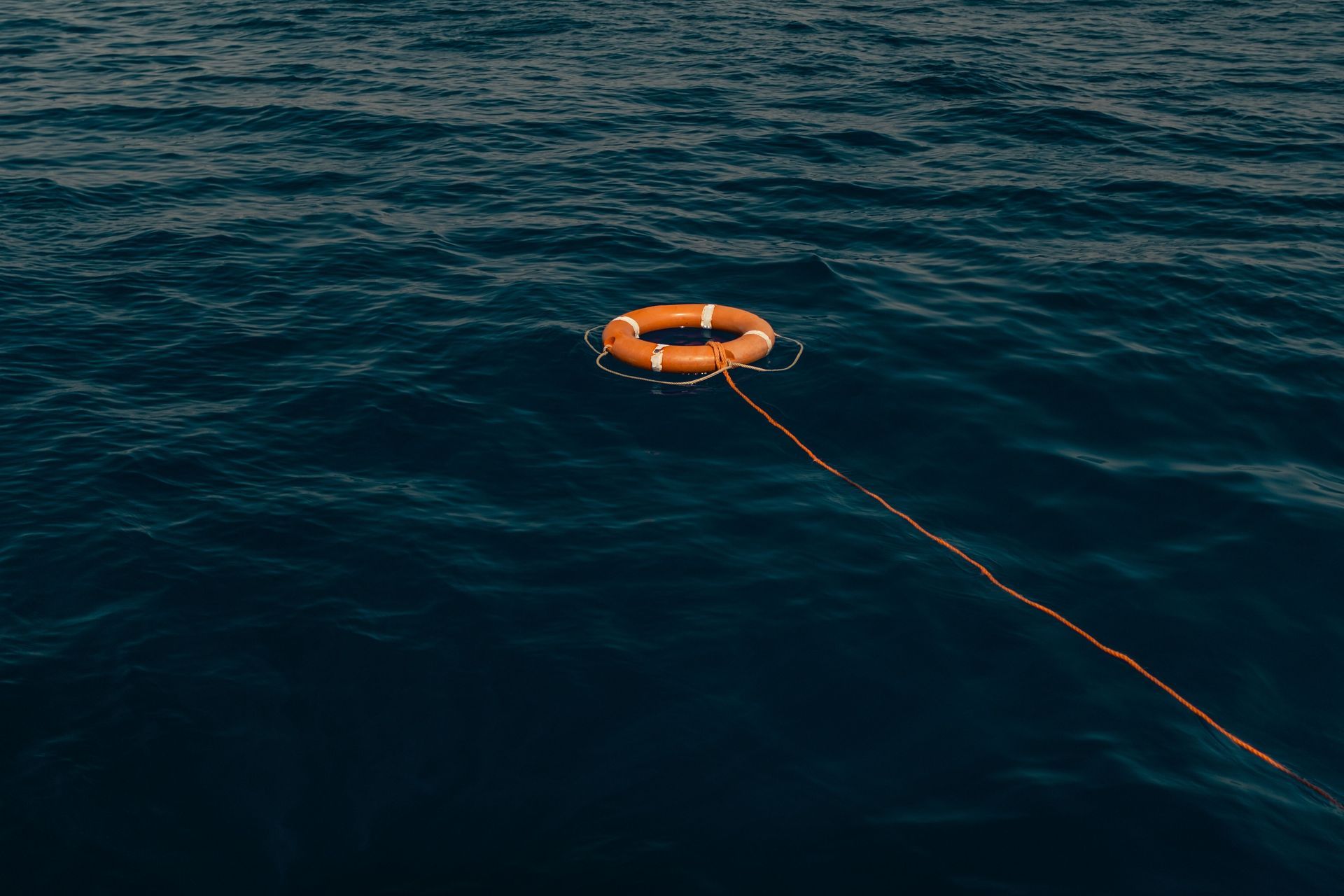
Your worst nightmare, but having a plan can prevent a disaster. First is preparation. Attach a USCG approved floatation device to your transom’s life line and know how to use it. Confirm PFD requirements with your crew. During daytime cruising in coastal waters, I leave wearing life jackets up to my guests, unless young children are on board or we run into heavy weather. But offshore I require anyone on deck to wear an offshore PFD that is tethered to the boat. I rig jack lines high up on the cabin top for attaching tethers. If going forward of the cockpit, use a double tether so you are always attached to a jack line when passing over a sheet or other obstacle.
Most chart plotters and many VHF radios have a MOB (man overboard) button. Know where those buttons are on your devices.
If you haven’t taken a certified first aid course in the last five years, get re-certified. The American Heart Association and The Red Cross offer excellent and affordable classes and the skills and protocols do change over time.
Run through an MOB drill with your crew early on in your cruise. Here are the standard steps:
Whomever sees the event yells “man overboard” and continuously points to the person in the water
The next available crew throws the MOB device off the transom, if you have something else highly visible that floats, like a cooler, throw that overboard too
The helmsman should immediately press the available MOB buttons
Available crew should immediately call in a MAY DAY on channel 16 with the approximate location and the coordinates from the MOB (in addition to the USCG, you want any boats in the vicinity to assist. This is especially critical at night)
The next step is dependent on whether you are under sail, weather conditions and your boat handling skills. They are several valid maneuvers, but I like the following for its simplicity and applicability to most situations:
Under sail: immediately bear off the wind and jibe when you are downwind of the person. Bring the boat up into the wind and let her luff. If done correctly, the person should have been inside the arc of the line attached to the MOB device and able to grab on while your crew hauls them up to your transom on the windward side of the boat.
If under power, perform the same maneuver, but make sure that your are in neutral as soon as possible to avoid fouling the prop and injury to the person.
Once on board, assess the condition of the person. If they are okay, call off the MAY DAY on channel 16. If not perform the appropriate first aid and give the USCG updates on their condition and your location.
Supposedly, most man overboards occur when a guy is relieving himself over the side. A trick I learned recently is to keep a plastic jug with the top cut off in your cockpit. Then guys on deck, especially at night, can use the jug and avoid the risk of going overboard.
I hope this helps, and if you have other suggestions, please comment.
Captain Dan