Flying a Bosun's Chair

September 14, 2026

Flying a Bosun's Chair

Flying a Bosun’s Chair 


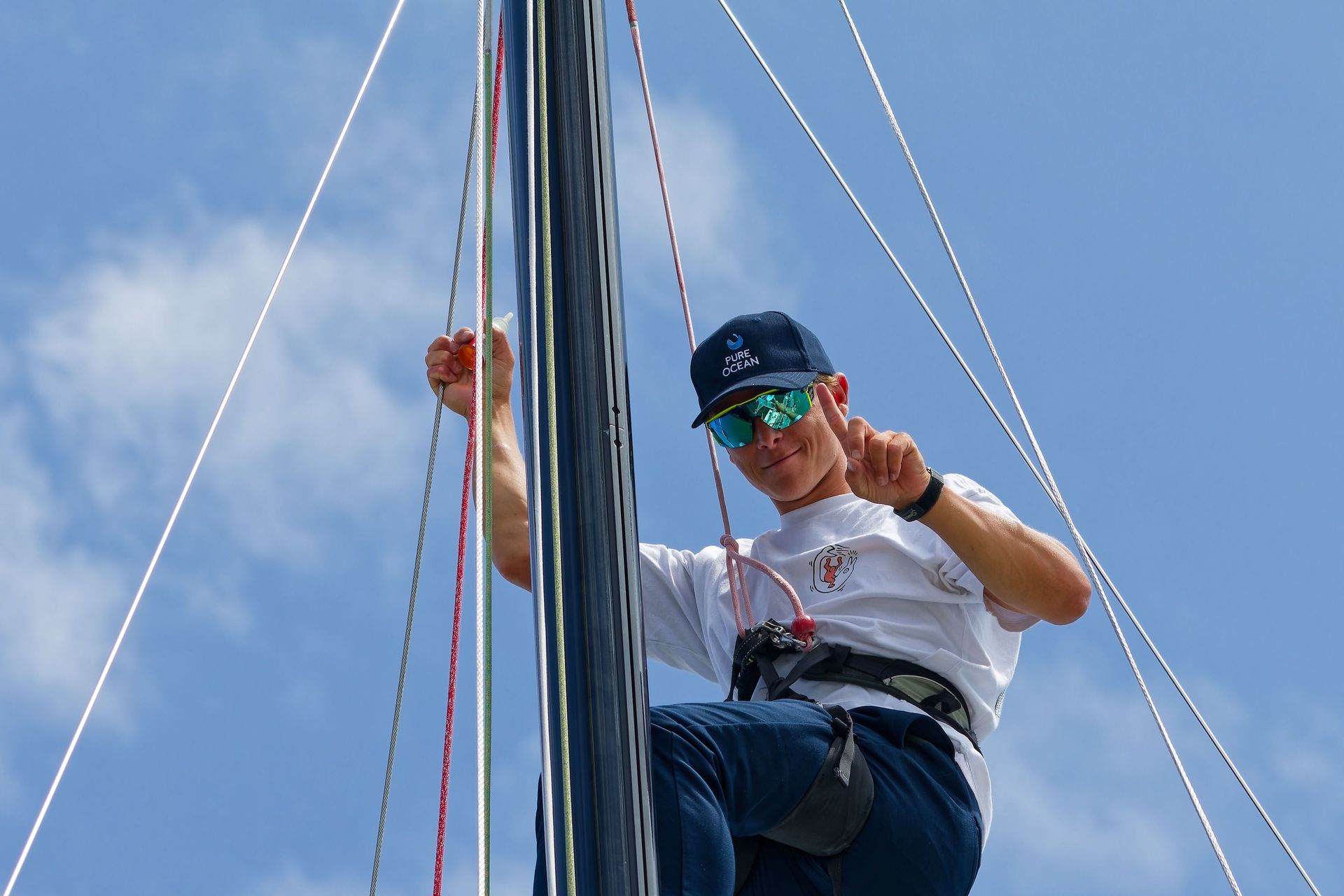
One of the more uncomfortable jobs in sailing is having to go up the mast in a bosun’s chair. It’s not the height as much as getting around spreaders and hoping that your friends manning the winches are paying attention.


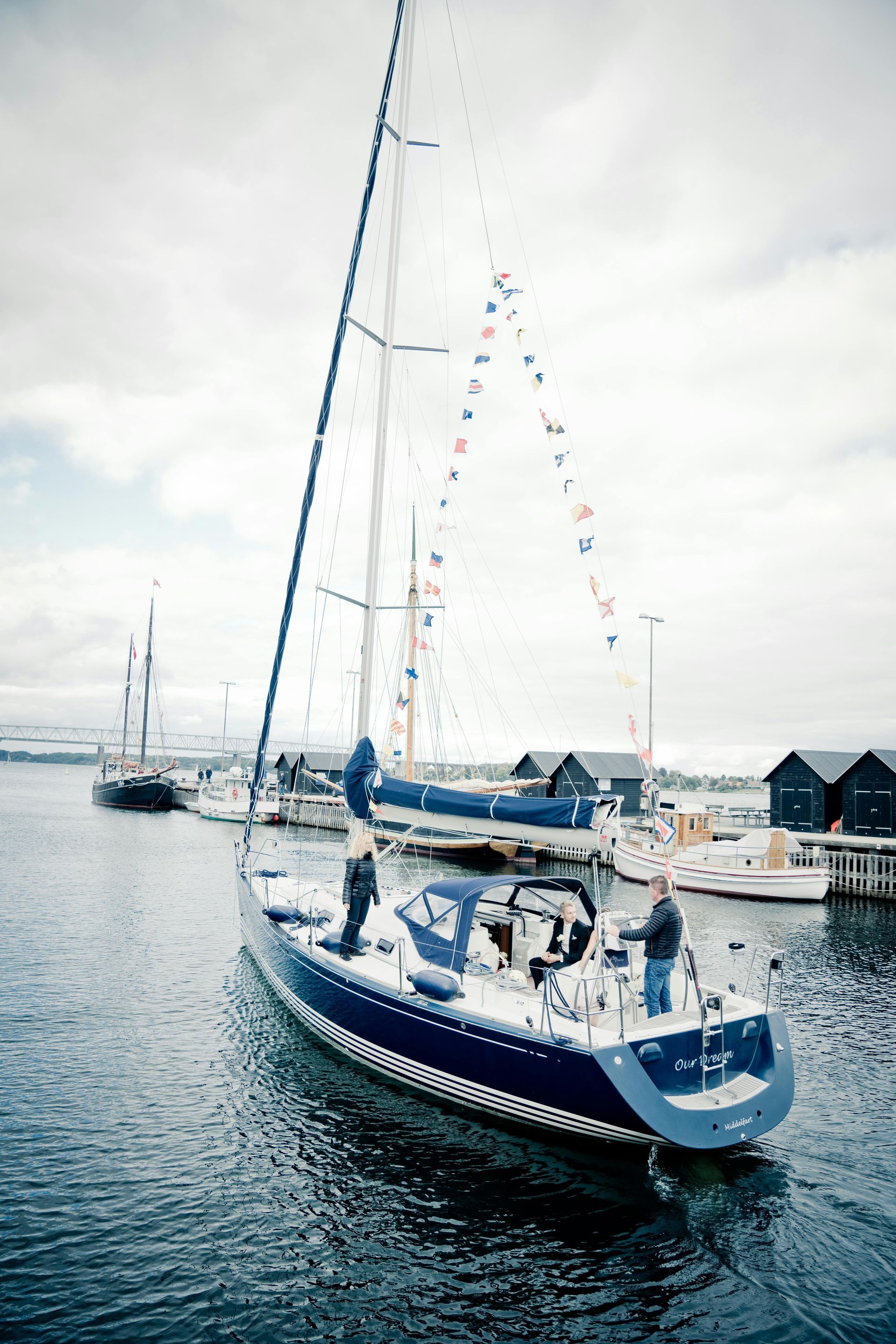
But surprisingly, there is a fun side to the bosun’s chair. While out sailing on a nice breezy day, attach your spinnaker halyard to the bosun’s chair so that someone sitting in it will pass just over the lifelines. Add another line from one of your midship deck cleats to the bosun’s chair with about ten feet to spare. Then seat a willing crew member in the chair, preferably in a swim suit and a life jacket, and swing them off the leeward side while sailing upwind. If done correctly, they will skip just above the water and hopefully have fun. Have someone standing by the spinnaker halyard in case it needs to be adjusted.


Be careful not to steer the boat up into the wind or they could come slamming back into the lifelines. When they have had enough, or you can’t stay on the same course, simply pull them back in with the line cleated to the deck.


Before trying this, you might want to rehearse your man over board drill. Let me know if you gave this a go and how it went, but attempt it at your own risk.


Captain Dan 


July 11, 2026
Man Overboard
May 19, 2026
Night Sailing
April 15, 2026
Navigation
March 18, 2026
Weather
January 26, 2026
Preparation
December 30, 2025
Heaving to
December 2, 2025
Spinnakers
November 4, 2025
Some cruising sailors don’t take advantage of all the tools available to them to sail their boats most effectively. Two of these tools are the traveller and the boom vang. To get your boat to point well (sail closest to the wind) generally you want your boom on the center line of your boat. This usually requires bringing the traveller to windward. If you feel overpowered as the wind increases, drop the traveller down until you feel under control. The difference of 5 to 10 degrees of pointing ability on a long course can shave hours off your ETA. This is true for your mizzen as well if you are sailing a yawl or ketch. Likewise, the boom vang is often an underutilized tool going downwind. Without some boom vang tension, especially in a stronger breeze, the end of your boom tends to pivot upwards, reducing sail efficiency and increases a side by side (yawing) effect. Without boom vang tension, it is also more difficult to perform a smooth and controlled jibe. In light air with leftover swells, some boom vang tension helps eliminate that annoying sound of your mainsheet snapping on the roll. Just remember to ease your boom vang before trying to lower your main halyard. Get to know the purpose of all of your running rigging, and if you need help, give me a shout.
October 23, 2025
Anchoring
October 8, 2025
Docking